Day 2 Explodes Into Action in Davao as JKA Masters and International Black Belts Take the Floor
Day 2 Heats Up as JKA Masters, Philippines, Mongolia and Indonesia Take Center Stage
 Tomas Kauer - Senior News Editor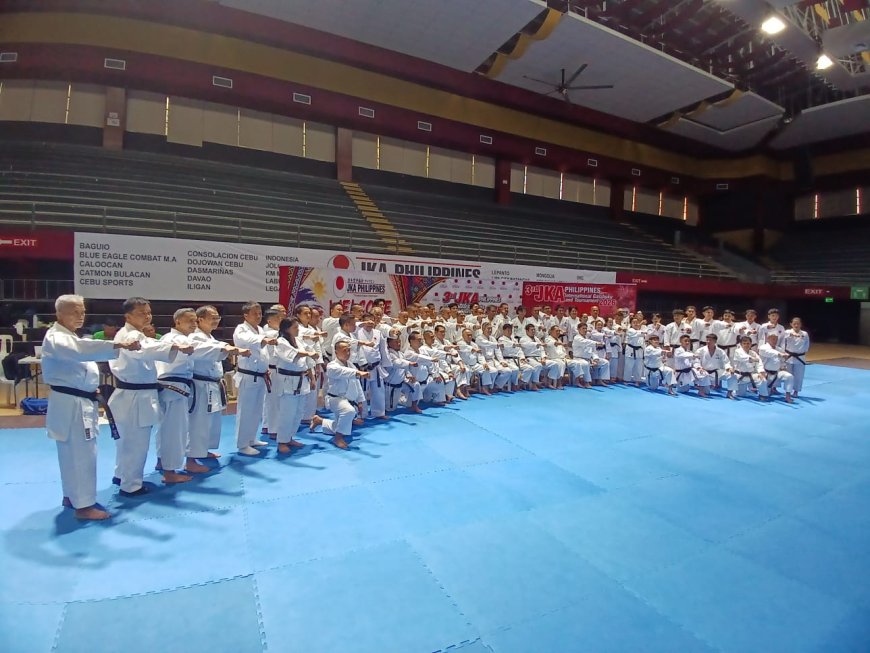
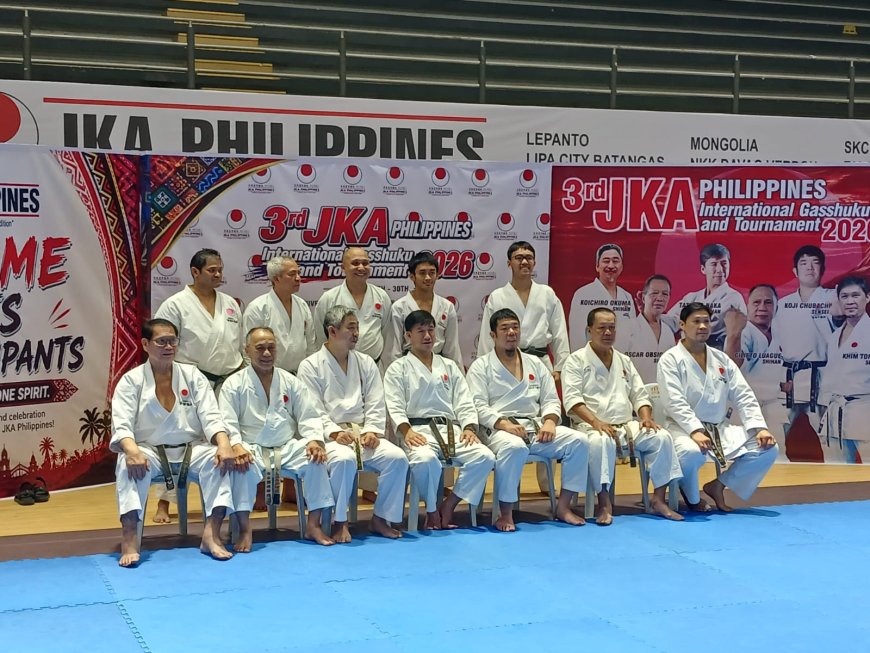
Indonesian Team
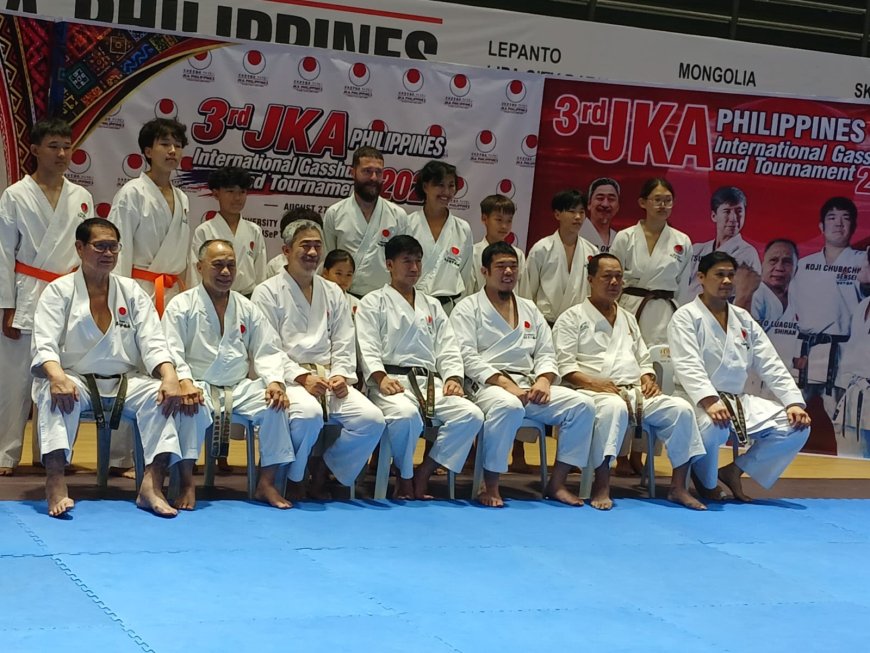
Mongolian Team
DAVAO CITY, Philippines — August 28, 2026 — The second day of the 3rd JKA Philippines International Gasshuku & Karate-Do Championship moved into high gear Friday as elite karate practitioners, international delegations and senior instructors gathered at the University of Southeastern Philippines for an intensive day of technical training and martial arts exchange.
The event has drawn competitors and black belts from across the Philippines, together with international delegations from Mongolia and Indonesia, giving the Davao gathering a broader global character and reinforcing the Philippines’ growing role as a regional center for traditional Japanese karate.
Particular attention has been drawn to the highly experienced black belts representing Mongolia and Indonesia, whose presence adds international depth to a field already packed with senior instructors, competitive athletes and long-time practitioners of Shotokan karate.
For observers outside the Philippines, including martial arts communities in the United States, the gathering reflects the increasingly international reach of the Japan Karate Association, whose training system continues to connect practitioners across Asia, Europe, North America and other regions.
Day 2 Centers on General Gasshuku and Masters Training
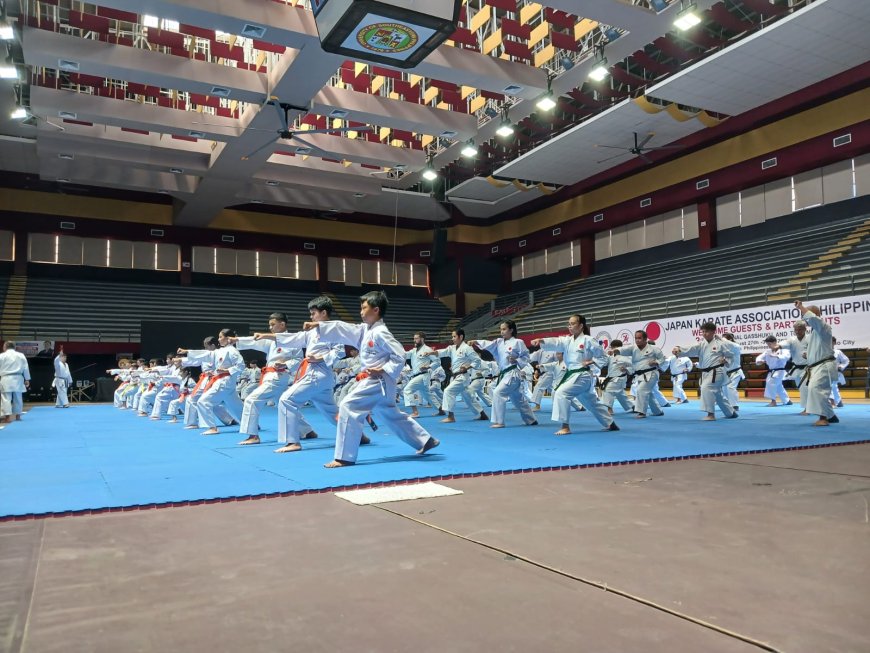
The centerpiece of the second day is the General Gasshuku, a traditional Japanese-style intensive training program that places emphasis on technical improvement, discipline and direct instruction from senior karate masters.
A Gasshuku is more than an ordinary karate class. It brings practitioners together for concentrated training under experienced instructors, allowing students and black belts to refine their skills through repeated correction, physical conditioning and detailed technical study.
Training focuses on the essential foundations of karate, including kihon, or basic techniques; kata, or formal patterns of movement; bunkai, the practical application of kata techniques; and kumite, or controlled combat training.
For advanced black belts, masters training goes deeper into timing, distance, balance, speed, power generation, tactical movement and the ability to read and respond to an opponent.
The sessions also emphasize the philosophy behind traditional karate: discipline, control, respect, precision and continuous improvement.
The presence of senior Japanese instructors and seasoned international black belts makes the second-day program especially significant. Rather than focusing solely on medals and competition results, the Gasshuku gives practitioners the opportunity to train directly under masters and absorb generations of technical knowledge.
In many ways, Day 2 serves as the educational and technical heart of the entire international gathering.
International Delegations Presented
The presentation of participating delegations became one of the highlights of the second day as teams from different regions of the Philippines and abroad were formally recognized.
The participating teams and delegations include:
Baguio; Blue Eagle Combat M.A.; Caloocan; Catmon Bulacan; Cebu Sports; Consolacion Cebu; Dasmariñas; Davao; Dojowan Cebu; Iligan; Indonesia; Jolo, Sulu; KM Mindanao; Labuan Zamboanga; Legaspi; Lepanto; Lipa City, Batangas; Malibay, Pasay; Marikina; Minglanilla; Mongolia; NKK Davao Verdon; Plaridel, Misamis Occidental; PSKAI; Sagada-Besao; SKC; Talamban; and Xavier University CDO.
The broad representation demonstrates the reach of karate across the Philippine archipelago, while the participation of Mongolia and Indonesia further raises the international profile of the event.
From Northern Luzon to Mindanao, athletes and instructors are sharing the same training floor with foreign competitors, creating an environment of both competition and cultural exchange.
Security Remains on Full Alert on Day 2
Security operations remain heightened throughout the second day because of the presence of international delegations, foreign representatives, senior karate masters, distinguished guests and a large concentration of black belt practitioners.
Organizers and security personnel are maintaining close coordination to ensure the safety and orderly movement of competitors, officials, instructors, guests and spectators.
The security presence reflects the scale and international character of the gathering, which has brought together representatives from different parts of the world as well as participants from numerous Philippine cities and provinces.
Authorities and event organizers are continuing to maintain a high level of preparedness throughout the multi-day tournament.
Day 2 Builds Momentum Toward Competition
While the second day is centered on instruction, discipline and technical development, the atmosphere is expected to become even more competitive as the championship progresses.
The Gasshuku serves as the foundation before athletes move into tournament competition, where their training, timing, composure and technical precision will be tested under pressure.
For many participants, the value of the Davao event extends beyond trophies.
Training beside international black belts and receiving instruction from senior masters gives younger practitioners and developing competitors an opportunity to experience karate at a higher level.
It also strengthens relationships among karate organizations and practitioners across borders.
As Day 2 continues to heat up, Davao is emerging not only as the host of a major karate championship but as a temporary international classroom for traditional martial arts.
With masters, black belts, athletes and delegations from across the Philippines and abroad assembled under one roof, the second day is placing the spotlight on the enduring international appeal of disciplined, traditional karate.
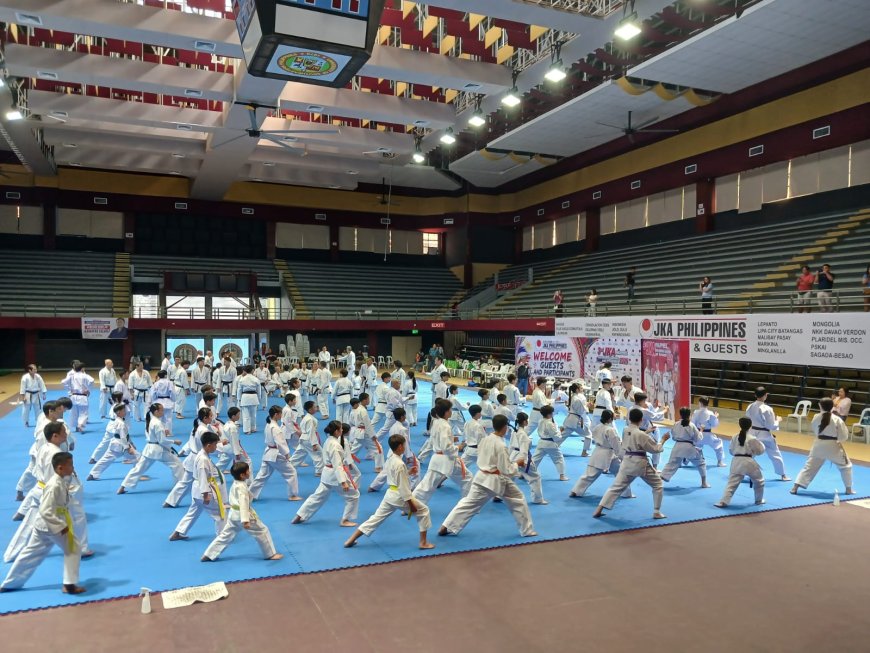
From Davao to Las Vegas and across the international karate community, Day 2 is delivering a powerful showcase of discipline, mastery and global sportsmanship.